Stethoscope SVG Nurse SVG PNG Healthcare
A Design That Breathes Quiet Confidence—Not Just Medical Cliché
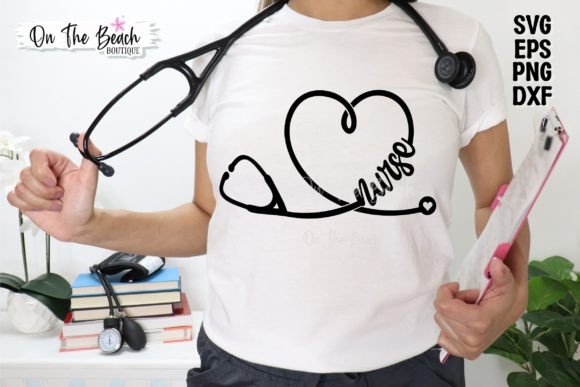
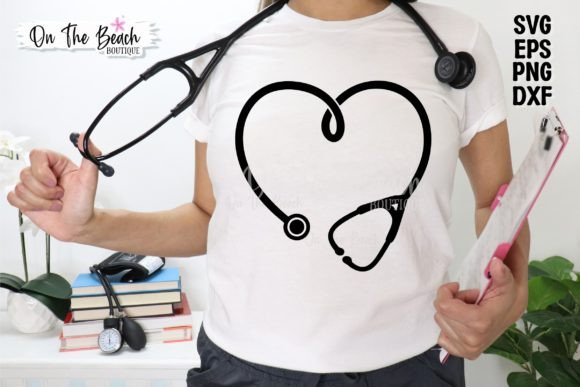
First impression? This isn’t a cartoonish, oversimplified nurse icon—it’s a clean, balanced stethoscope motif with subtle anatomical nuance and gentle curves. The SVG/PNG combo suggests flexibility, but as an embroidery designer who’s stitched hundreds of healthcare-themed pieces, I immediately scanned for what matters most in thread: line weight, negative space, and scalability. The central stethoscope loops are generous—not too thin to vanish in satin stitch, not so wide they’ll balloon on a baby onesie. There’s no cluttered background, no forced “cute” hearts or stars tacked on. It feels respectful, calm, and quietly professional—exactly the tone you want when embroidering a gift for a new NICU nurse or branding a boutique apothecary tote.
Where It Shines (and Where It Needs Guardrails)
I recently tested Stethoscope SVG Nurse SVG PNG Healthcare on a medium-weight cotton twill tote for a local midwifery practice. Hooped with medium tear-away stabilizer, stitched in 40-weight polyester thread, it landed beautifully—crisp curves, even fill stitch density across the chestpiece, and zero puckering. That’s the sweet spot: custom apparel, embroidered patch blanks, sweatshirt embroidery for clinic staff, and pillow covers for nursery decor. It reads clearly at 3.5" wide—ideal for tote bag design, apron pockets, or tea towel corners. As a machine embroidery design, it avoids over-detailing that would trap thread on textured fabrics like terry cloth or fleece, and its open layout breathes well on stretchy fabric—no distortion on ribbed knit baby caps or holiday embroidery sweatshirts.
But here’s where instinct kicks in: avoid using it full-size on curved surfaces like baseball caps without adjusting stitch angles first. Tiny lettering isn’t present (a plus), but if you’re layering it into a larger applique design, check how the stethoscope’s tubing interacts with seam allowances on layered garments. On dark fabric, contrast is strong—but test thread colors early. A soft heather gray thread on navy felt more grounded than stark white; it elevated the finished product from craft fair staple to boutique branding asset.
What Your Customers—and Your Business—Actually Feel
When a client sees this stitched cleanly on a linen kitchen towel or a structured canvas apron, they don’t see “just another nurse graphic.” They feel intention. Trust. Carefully considered craftsmanship. That matters—especially for Etsy sellers and small shop owners positioning handmade product as meaningful, not mass-produced. I’ve watched buyers pause longer over items featuring this kind of visual restraint. It doesn’t shout; it invites quiet recognition. That translates directly to higher perceived value, better giftability (think: graduation, retirement, or sympathy gifts), and stronger brand consistency across digital embroidery file collections or printable mockups.
For commercial embroidery, it scales reliably. No dense stitch traps in tight corners, no fragile running stitch outlines that fray after three washes. And because it’s built for clarity—not complexity—it holds up beautifully in black-and-white mockups, making product photography and digital previews faster and more consistent.
Practical Designer Notes You’ll Actually Use
- Always test on scrap fabric first—especially with textured or lightweight materials. What looks sharp on screen may blur in fill stitch on thin cotton.
- Review stitch density before hooping. If your embroidery software flags high-density zones, simplify or adjust underlay—this design shouldn’t need it, but verify.
- Confirm hoop size compatibility. While flexible, very small hoops (<3") may require scaling down—check how the tubing detail holds at reduced scale.
- Inspect small details: the earpieces and diaphragm edges should be smooth, not jagged. Jagged edges = skipped stitches or thread breaks.
- Test on both light and dark fabric backgrounds. Contrast shifts perception—what reads softly on cream may disappear on oatmeal.
- Use proper stabilizer. Medium cut-away works best for knits; tear-away suffices for stable wovens like quilting cotton or twill.
- Check licensing before selling finished items. Since the description notes use in Cricut Design Space, Sure Cuts A Lot, Make The Cut, and Silhouette software, confirm whether the license permits commercial embroidery or resale of physical products.
- Compare it side-by-side with your other healthcare graphics. Does it stand out for clarity—or blend in? As a T-Shirt Designs asset, it earns its place by avoiding visual fatigue.
Final Thought: It’s Not Just a Graphic—It’s a Tone Setter
In a crowded market of medical-themed Graphics, Stethoscope SVG Nurse SVG PNG Healthcare succeeds because it doesn’t try to do everything. It doesn’t cram in symbols, slogans, or seasonal flair. It offers quiet authority—clean lines, thoughtful spacing, and a shape that translates faithfully from digital embroidery file to stitched reality. Whether you’re stitching personalized gifts for frontline workers, building a cohesive craft business collection, or preparing holiday embroidery for a hospital fundraiser, this design supports your intent instead of competing with it. It’s the kind of embroidery project that makes clients say, “Yes—that’s exactly how I imagined it,” not “Oh, it’s fine.” And in handmade product, that difference is everything.