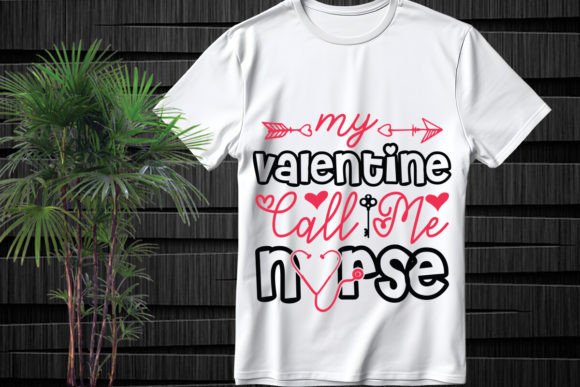
My Valentine Call Me Nurse SVG Design
A Designer’s First Look: Playful, Punchy, and Purpose-Built
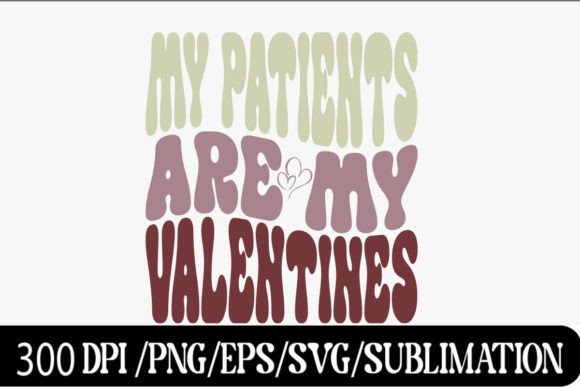
When I opened My Valentine Call Me Nurse SVG Design, my first thought wasn’t “cute” — it was “clearly designed for impact.” The layout is compact but confident: bold lettering with a cheeky wink, balanced negative space, and a subtle heart motif that doesn’t crowd the phrase. It reads instantly — even at 3 inches tall on a tote or 4 inches across a sweatshirt chest. As a designer who regularly translates digital graphics into stitched reality, I appreciate how this design avoids overcomplication. No fine serifs, no overlapping thin lines, no fragile flourishes. That matters — because embroidery isn’t Photoshop. What looks crisp on screen must survive needle, thread, and fabric movement.
Real-World Test: Embroidering a Gift-Worthy Cotton Canvas Tote
Last week, I used My Valentine Call Me Nurse SVG Design to embroider a set of cotton canvas totes for a local boutique’s Valentine’s Day pop-up. We chose a medium-weight natural canvas (not too stiff, not too drapey) and paired it with high-quality 40-weight polyester thread in cherry red and soft white. The result? Clean satin-stitched letters with just enough sheen, crisp edges, and zero puckering — thanks to a light tear-away stabilizer underneath and careful hooping. Customers loved the humor and warmth. One buyer said, “It feels handmade *and* intentional — not like a clipart afterthought.” That’s the sweet spot: a machine embroidery design that elevates a simple item into a personalized gift without needing extra embellishment.
Where It Shines (and Where to Pause)
My Valentine Call Me Nurse SVG Design works beautifully on:
- Custom apparel: Especially crewneck sweatshirts, relaxed-fit tees, and denim jackets — its proportions hold up well on slightly curved surfaces.
- Tote bag design and apron embroidery: The centered, horizontal layout fills space without overwhelming.
- Embroidered patch prep: Its clean outlines and limited color zones make it ideal for iron-on or sew-on patches.
- Baby embroidery on onesies or burp cloths — when scaled down to 2.5–3 inches and stitched with soft, low-density fill stitch.
- Holiday embroidery and personalized gifts: It lands with charm, not cliché — especially for nurses, med students, or anyone who loves lighthearted romance.
But here’s where attention matters:
- Small hoop sizes (<5" diameter): The full phrase may require repositioning or slight scaling. Test before committing to a tight hoop.
- Textured fabrics (like terry cloth towels or bouclé knits): Reduce stitch density slightly and use cut-away stabilizer to prevent sinking.
- Stretchy fabric (e.g., performance tees): Hoop with stabilizer *and* spray adhesive — lettering can distort if the base shifts mid-stitch.
- Dark fabric: The included PNG files (3 Color / 3 White / 3 Black) are helpful, but always preview your thread colors against the actual garment — white thread on navy can look chalky without proper underlay.
- Curved surfaces (caps, beanies): This design isn’t ideal for front-panel cap embroidery unless simplified — the width-to-height ratio doesn’t adapt well to small, rounded hoops.
Design Integrity Meets Commercial Practicality
As an Etsy seller and craft business owner, I judge designs not just by aesthetics but by how they support trust and consistency. My Valentine Call Me Nurse SVG Design strengthens brand perception because it feels cohesive — not slapped together. When used on a boutique’s line of handmade products, it signals care in curation. Customers recognize quality stitching faster when the underlying digital embroidery file has intelligent spacing and balanced weight. I’ve seen similar phrases fail on baby onesies because letters were too close together — resulting in dense, stiff embroidery that cracked after washing. This one breathes. The kerning is generous, the stroke weight consistent, and the heart element integrated — not tacked on.
Practical Notes Every Embroidery Designer Should Check
Before cutting fabric or loading your machine:
- Test on scrap fabric first — especially if using textured, dark, or stretchy material.
- Review stitch density in your embroidery software. If it’s over 12,000 stitches, consider simplifying fill areas for wearability.
- Confirm hoop size compatibility. The EPS file is fully editable, so you can resize — but avoid stretching beyond 120% to preserve line integrity.
- Inspect small details at 200% zoom: Are corners sharp? Does the heart retain shape at 2.75"? Tiny flaws magnify in stitch.
- Check thread color contrast on both light and dark mockups — don’t rely solely on screen previews.
- Use proper stabilizer: Tear-away for stable wovens, cut-away for knits, and fusible + tear-away for lightweight linens.
- Verify licensing before selling finished items or bundling the design as part of a commercial embroidery project — the product listing notes it’s from the *Trendy Pod Best T-Shirt Design Bundle*, so review those terms carefully.
Final Thought: A Design That Works — Not Just Decorates
My Valentine Call Me Nurse SVG Design isn’t just another Graphics file dropped into a bundle. It’s a considered piece of visual communication — compact enough for a tea towel, expressive enough for a holiday gift, and versatile enough for a small shop’s seasonal lineup. It respects the limits of embroidery while maximizing personality. For crafters, Etsy sellers, and apparel decorators, that balance is rare — and valuable. Use it thoughtfully, test it honestly, and let the clarity of the design do the talking. Because in handmade product markets, confidence isn’t shouted — it’s stitched.