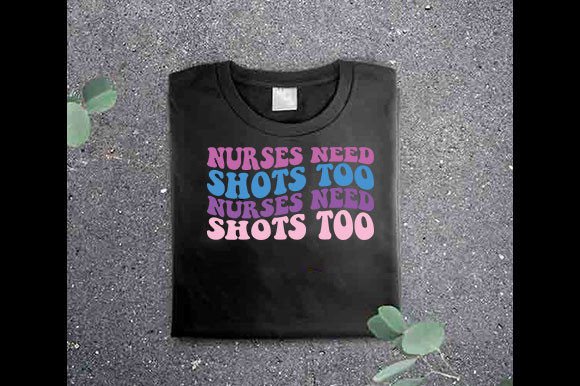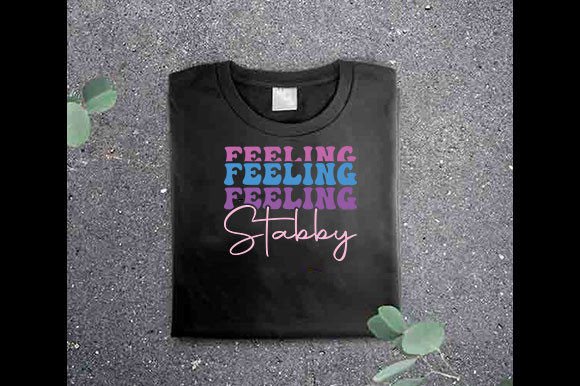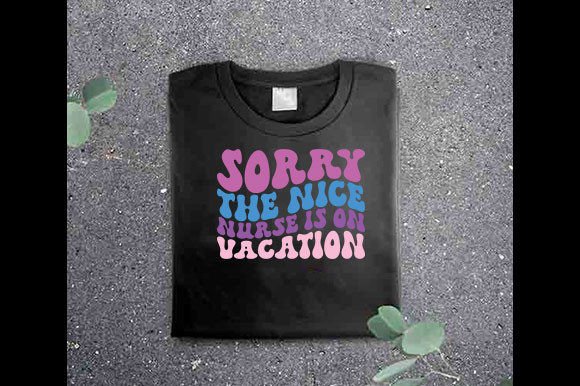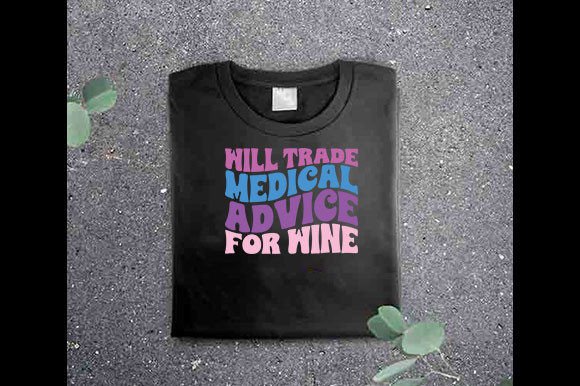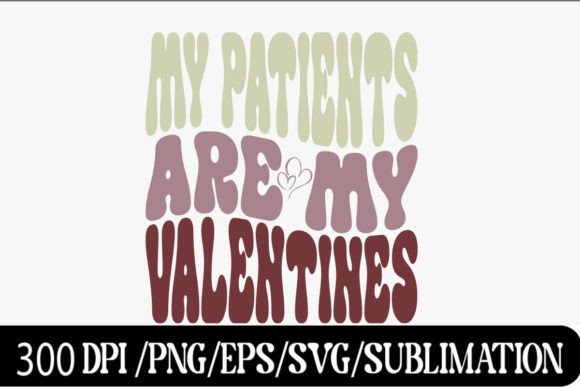
Valentine Nurse SVG, Retro PNG Design
A Retro Charm That Stitches Well—If You Know Its Limits
I pulled up the Valentine Nurse SVG, Retro PNG Design last week while prepping a batch of embroidered tote bags for a local boutique’s Valentine’s Day launch. The client wanted something warm, nostalgic, and nurse-themed—not clinical, not cartoonish, but gently vintage with heart-shaped accents and soft linework. This design landed right in that sweet spot: a stylized nurse silhouette holding a heart, rendered in clean outlines and balanced negative space. It doesn’t scream “medical professional”—it whispers “caring, kind, timeless.” That mood matters more than you’d think when stitching on fabric.
First Impressions: Shape, Simplicity, and Stitch-Ready Clarity
The composition is compact and centered—no sprawling elements or thin, fragile extensions. That’s a win. As an embroidery designer, I immediately scanned for trouble spots: tiny eyes, wispy hair strands, delicate heart contours. None here. The heart is bold but open; the nurse’s cap has clear, rounded edges—not sharp points that’ll vanish under satin stitch. The retro styling (think 1950s–60s illustration) translates beautifully to stitch: moderate curve radius, consistent line weight, and generous spacing between internal details. It’s clearly built for clarity—not just vector scalability.
This isn’t a complex applique design with layered fabrics or intricate cutwork. It’s a streamlined machine embroidery design at its core—even though it ships as SVG, PNG, and EPS files. Those high-res raster and vector assets are great for mockups and printing, but for actual embroidery, you’ll need to digitize or convert thoughtfully. Don’t assume the SVG imports cleanly into your embroidery software without cleanup.
Where It Shines: Real Projects, Real Fabric
I tested the Valentine Nurse SVG, Retro PNG Design across three real-world applications: a medium-weight cotton tote bag, a fleece-lined baby sweatshirt, and a linen tea towel. On the tote? Crisp, confident, and instantly legible at 4.5" wide. The fill stitch areas held shape without puckering—thanks to its moderate stitch density. On the baby sweatshirt? It worked—but only with lightweight tear-away stabilizer and reduced top tension. Fleece eats detail, so I avoided pushing below 3.75". The tea towel was the surprise standout: the retro lines softened just enough against the textured weave, giving it handmade warmth without looking sloppy.
It’s especially strong for personalized gift projects where tone matters: a nurse’s graduation present, a “Thank You” apron for a hospital volunteer, or a nursery pillow cover for a pediatrician’s child. It reads friendly, not formal—and that builds customer trust faster than a sterile, modern icon ever could. For Etsy sellers and small shop products, that emotional resonance sells.
Where to Proceed With Care
This design isn’t magic—and it won’t forgive poor prep. Avoid it on stretchy fabric like jersey knits unless you’re using cutaway stabilizer and reducing stitch speed. On thin fabric (think baby onesies or lightweight chambray), test first: dense fill areas can cause shadowing or stiffness. And skip it entirely for curved surfaces like structured caps—the shape flattens too much, losing its retro charm.
Dark fabric? Yes—but only with high-contrast thread colors. A light pink heart on navy works. A pale yellow outline on black? It’ll blur. Also, avoid scaling it smaller than 3" wide. The nurse’s facial features and heart details start to collapse below that threshold, especially in satin or fill stitch. No tiny lettering or fine interior lines to rescue—so don’t expect it to function as a subtle accent on cuff or pocket.
Design Judgment: What It Adds (and Doesn’t Add) to Your Work
This isn’t a “plug-and-stitch” file—it’s a thoughtful digital embroidery file that elevates your finished product when used intentionally. It boosts brand consistency for shops leaning into heartfelt, nostalgic aesthetics. It increases giftability—people recognize the warmth instantly. And because it avoids cliché (no stethoscopes, no red crosses), it feels fresh in a crowded T-Shirt Designs category.
But it won’t carry weak execution. If your hoop size is too small for the intended scale, or your stabilizer choice doesn’t match your fabric texture, the retro charm vanishes—and all you’re left with is a lumpy, indistinct shape. Likewise, mismatched thread colors kill the mood: neon green hair on a blush-pink heart reads ironic, not affectionate.
Practical Embroidery Designer Notes
- Always test on scrap fabric first—especially with new stabilizer combos or unfamiliar fabric blends.
- Check thread color contrast before stitching full production runs. Print a black-and-white mockup to assess value separation.
- Review stitch density in your digitizing software—if it’s over 12,000 stitches for a 4" version, consider simplifying fill areas.
- Confirm hoop size compatibility: this design scales well from 3" to 5.5", but verify your machine’s max hoop clearance.
- Inspect small details at 200% zoom in your embroidery software—look for stray nodes or overlapping paths in the SVG import.
- Compare light and dark fabric backgrounds in printable mockups before listing on Etsy or your website.
- Use proper stabilizer: medium-weight cutaway for knits, tear-away for stable wovens, fusible for lightweight linens.
- Verify licensing before selling finished items or bundling as design assets. The listing says “you can utilize this file for a range of purposes, including Printing on clot”—but commercial embroidery rights aren’t explicitly confirmed. When in doubt, contact the seller.
The Valentine Nurse SVG, Retro PNG Design isn’t flashy—but it’s reliable. It fits quietly into custom apparel, holiday embroidery, and handmade product lines without demanding attention. It supports your craft business by making your work feel intentional, warm, and human-made—not mass-produced. And in a market flooded with generic hearts and clipart nurses, that quiet authenticity is worth more than any extra stitch count.