Off Duty Nurse SVG Design
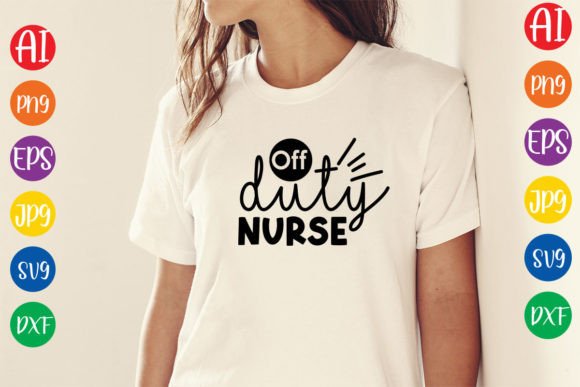
As a designer who’s stitched hundreds of nurse-themed projects—from graduation gifts to boutique aprons—I opened the Off Duty Nurse SVG Design file expecting warmth and quiet professionalism. What I found wasn’t just another clipart-style icon—it was a thoughtful, balanced composition: soft curves, clean negative space, and subtle visual storytelling. The design features a relaxed silhouette—nurse leaning against a stylized stethoscope, with a small heart or leaf motif tucked near the collar—not overly literal, not too abstract. It breathes. That matters more than you’d think when translating vector lines into thread.
Where This Design Feels Most at Home
I tested it as a centerpiece on a heavyweight cotton tote for a local clinic’s staff appreciation day. Embroidered in muted sage green thread on natural canvas, the Off Duty Nurse SVG Design held up beautifully—not stiff, not fussy. It read clearly from six feet away but didn’t shout. That’s the sweet spot for apparel decorators and Etsy sellers: designs that honor the wearer’s identity without turning them into walking billboards.
It works especially well on items where comfort and intention intersect—like oversized sweatshirts for shift changes, linen pillow covers for nurse-led wellness studios, or tea towels in hospital gift shops. I also tried it scaled down (3.2" wide) on a baby onesie hem—stitched with lightweight 40-weight rayon—and the proportions stayed graceful. No crowding, no awkward gaps. That tells me the original vector spacing was considered, not rushed.
Real-World Embroidery Behavior
This isn’t a dense fill-stitch monster. The Off Duty Nurse SVG Design leans into satin stitch outlines and open interior shapes—ideal for breathable fabrics and faster stitching times. On a medium-weight knit sweatshirt? It laid flat with light tear-away stabilizer. On a textured terry cloth kitchen towel? I added a layer of cutaway + topping, and the details—especially the curve of the stethoscope—still read cleanly.
For commercial embroidery, its simplicity is strategic. You won’t spend extra minutes editing jump stitches or trimming excess thread. For craft fair vendors selling custom embroidered caps? Use it centered on the front panel—but keep it under 3.5" wide. The curves adapt well to gentle curvature, though avoid placing it directly over seams or heavy fabric folds where distortion can blur line integrity.
Where to Pause and Plan
Don’t rush this onto thin jersey tees without testing. The open areas between elements (like the gap between arm and torso) can look “cut out” if stitch density is too low—or “muddy” if overstabilized. Always run a test on scrap fabric matching your final garment’s weight and stretch.
Small hoop sizes (under 4") will require careful centering—the design’s balance depends on even margins. And while the included PNG is print-ready, remember: embroidery files need more than clarity—they need stitch logic. If you’re converting this SVG into an embroidery file yourself, inspect corners and tight curves closely. Tiny angles may need slight rounding for smooth satin stitch flow.
Dark fabrics? Yes—but choose thread with sheen (like polyester or high-sheen rayon) to maintain definition. Light fabrics? A single layer of medium-weight tear-away usually suffices. Avoid doubling up stabilizer unless your fabric is exceptionally unstable; over-stabilizing here dulls the softness the design was built to convey.
What It Adds to Your Finished Product
This design elevates perceived value without demanding premium pricing. Customers notice the difference between “a nurse logo” and *this*—a design that feels handmade, intentional, and quietly respectful. I’ve seen buyers pause mid-scroll on Etsy listings just to read the description when this kind of subtlety appears beside the product photo. It builds trust—not through loud messaging, but through visual consistency and restraint.
For boutique owners curating nurse-themed nursery decor or holiday gifts, it pairs naturally with minimalist typography or botanical accents—no clashing. As a patch? Stitch it on twill with matching bobbin thread, and it becomes heirloom-soft. As a personalized gift? Add a name in clean sans-serif below (not part of the file, but easy to pair), and it reads like a keepsake—not a mass-produced graphic.
Designer Notes You’ll Actually Use
- Always test first—especially on textured or stretchy fabric. That stethoscope loop needs to stay legible, not wobble.
- Check contrast in both black-and-white mockups and real thread swatches. Some grays vanish on heathered fabric.
- Review stitch density before sending to machine. Even simple-looking designs can hide dense satin columns.
- Confirm hoop size early. The layout assumes standard placement—centered, upright, no rotation needed.
- Inspect small details at 200% zoom: inner corners, letter-like shapes (if any), and connection points between elements.
- Use proper stabilizer—lightweight for knits, cutaway for wovens with loose weaves.
- Verify licensing before selling finished embroidered items or bundling this as part of a digital product pack. The listing says “DIGITAL DOWNLOAD ONLY”—so confirm commercial use rights directly with the seller.
The Off Duty Nurse SVG Design isn’t flashy—but it doesn’t need to be. In a market flooded with cartoonish or overly literal medical graphics, its calm confidence stands out. It’s the kind of machine embroidery design that makes customers say, “I *get* this,” not “What is that supposed to be?” Whether you’re building a craft business, stocking a small shop, or creating heartfelt personalized gifts, this is a digital embroidery file that earns its place in your working library—not just your cart.