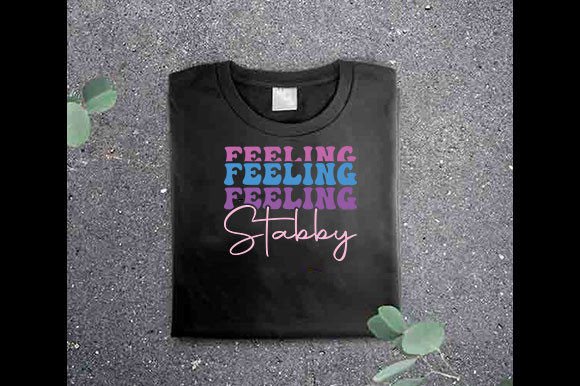
Retro Nurse SVG Design, Feeling Stabby
First Impressions: Bold, Playful, and Unapologetically Nostalgic
When I opened the Retro Nurse SVG Design, Feeling Stabby, my first thought wasn’t “cute” or “vintage”—it was “character.” The silhouette is instantly readable: a stylized 1950s-style nurse with a wink, stethoscope askew, one hand on her hip and the other gripping a comically oversized syringe. It’s cheeky without being crude, retro without feeling like a museum relic. The line work is clean but expressive—slightly uneven in the right places to suggest hand-drawn charm, not digital rigidity. As a designer who evaluates hundreds of embroidery files a year, I appreciate how this design avoids over-detailing. No tiny eyelashes, no fussy lace trim—just confident shapes, smart negative space, and a visual rhythm that translates well to stitch.
A Real-World Test: Embroidering It on a Linen-Cotton Tote Bag
Last week, I used the Retro Nurse SVG Design, Feeling Stabby for a custom order: a medium-weight linen-cotton tote for a local apothecary shop’s staff gift. Not a t-shirt—but close enough in weight and drape to reveal what really matters in practice. I digitized it at 3.8" wide (a comfortable size for most tote front panels), used medium tear-away stabilizer, and tested three thread palettes: classic navy/white, cherry red/black, and sage green/cream. All worked—but the red/black combo popped hardest, reinforcing the design’s inherent confidence. Customers noticed it immediately. One said, “It’s got *attitude*—like she knows exactly how much caffeine you need.” That’s the kind of reaction that turns a simple embroidered tote into a conversation piece—and a repeat order.
Where It Shines (and Where It Needs Care)
The Retro Nurse SVG Design, Feeling Stabby thrives on stable, medium-to-heavy fabrics: denim jackets, cotton sweatshirts, canvas aprons, tea towels, and structured pillow covers. Its bold outlines and open interior spaces translate beautifully to satin stitch borders and low-density fill stitches—no sinking, no puckering, even after multiple washes. On baby onesies? Yes—but only if you scale down to 2.5" and use lightweight cut-away stabilizer. Tiny details like the syringe tip and stethoscope curve hold up well, but avoid pushing it smaller than 2".
Use caution on stretchy knits (like jersey tees) unless you’re experienced with underlay and reduced stitch density. Dark fabrics demand high-contrast thread—especially for the white highlights in the nurse’s cap and collar. And skip curved surfaces like baseball caps unless you’re using a cap frame: the shape relies on flat, even tension to keep the proportions legible.
Design Integrity Meets Commercial Sense
This isn’t just a fun graphic—it’s a smart craft business asset. As an Etsy seller myself, I’ve seen how designs like the Retro Nurse SVG Design, Feeling Stabby perform in listings: strong thumbnail recognition, clear niche appeal (nursing professionals, medical humor lovers, retro collectors), and easy mockup integration. It works equally well as a standalone chest logo on a unisex sweatshirt or as part of a trio on a kitchen towel set (“Feeling Stabby,” “Feeling Snappy,” “Feeling Zappy”). The included EPS, SVG, PNG, and DXF files mean you can adapt it across platforms—whether you’re prepping a printable mockup for your shop, creating a vector-based applique design, or exporting for a CNC-cut patch template.
What You’ll Notice After Stitching—Not Just Before
Real talk: some retro designs lose charm when stitched. Too many small curves turn muddy. Too much fill stitch overwhelms the shape. The Retro Nurse SVG Design, Feeling Stabby avoids both traps. The syringe stays sharp. The cap brim reads as a clean edge—not a fuzzy blob. Even the slight tilt of her head survives digitization intact. That means your finished product looks intentional, not automated. For handmade presentation and customer trust, that difference is everything. A buyer holding a tote with this design embroidered cleanly knows they’re getting skilled craftsmanship—not just a file dumped into software.
Practical Designer Notes Before You Stitch
- Always test on scrap fabric first—especially if pairing with textured weaves like burlap or terry cloth.
- Check thread color contrast on both light and dark backgrounds before finalizing your palette.
- Review stitch density: the original SVG doesn’t specify stitch count, so assess fill areas manually—reduce density on delicate fabrics.
- Confirm hoop size compatibility: the design fits comfortably in a 4"x4" hoop at standard sizes, but verify before hooping expensive garments.
- Inspect small details at actual stitch size—zoom in on your embroidery software to ensure the syringe needle and stethoscope bell won’t vanish.
- Test black-and-white mockups: this design relies on shape and contrast more than color, so grayscale previews are surprisingly accurate.
- Use proper stabilizer: medium tear-away for stable wovens, cut-away for knits or lightweight cottons.
- Confirm licensing: the ZIP includes EPS, SVG, PNG, and DXF files—but commercial use rights aren’t stated here, so verify terms before selling finished items or reselling digital embroidery files.
Final Thought: A Design That Earns Its Place
The Retro Nurse SVG Design, Feeling Stabby isn’t background noise. It’s got presence. It works for personal projects—like a birthday gift for your EMT friend—but it also scales reliably for small shop merchandise, craft fair inventory, or boutique branding. It respects the limits of embroidery while maximizing personality. In a sea of generic T-Shirt Designs and Graphics, this one stands out because it’s designed *for making*, not just for looking. Whether you’re stitching it on a nurse’s holiday apron, a grad-school celebration sweatshirt, or a playful baby onesie, it lands with warmth, wit, and real-world wearability. That’s not luck. That’s thoughtful design—and why I keep this file in my go-to embroidery project folder.