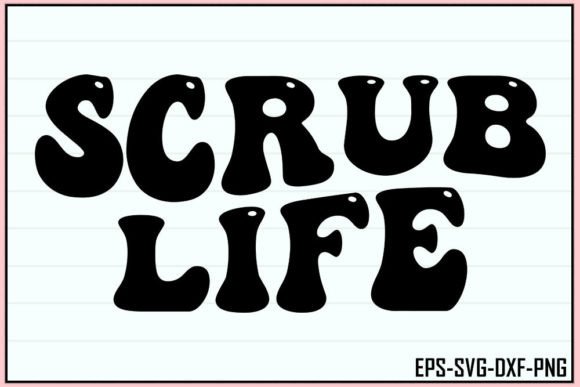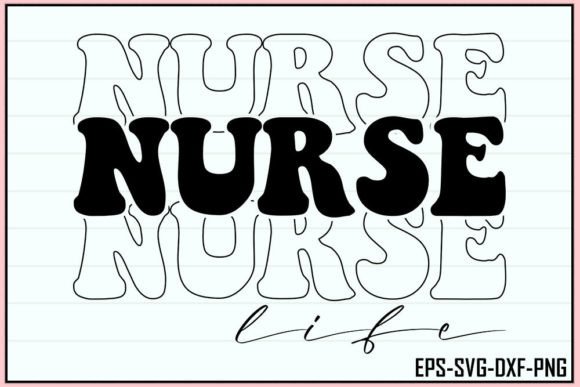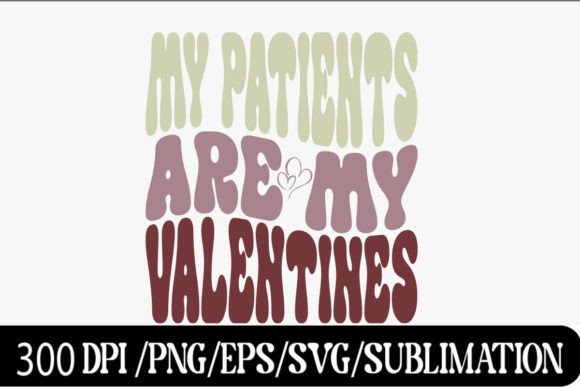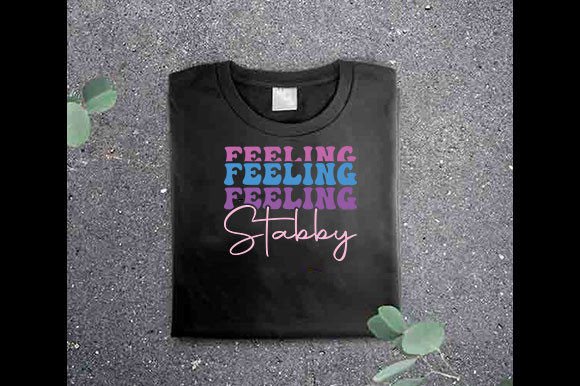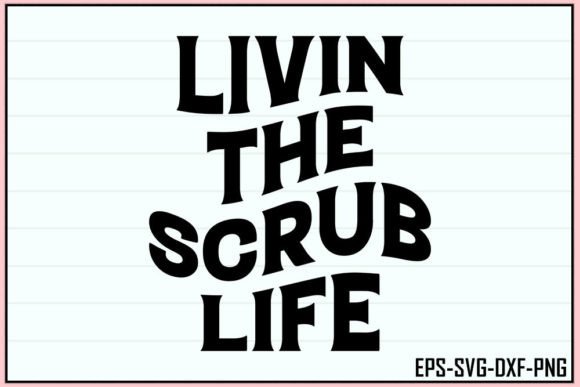
Livin the Scrub Life – Retro Nurse SVG
A Designer’s First Glance: Charm with Clear Intent
When I opened Livin the Scrub Life – Retro Nurse SVG, what struck me first wasn’t just the nostalgia—it was the intentionality. This isn’t a cluttered throwback mashup. It’s a clean, confident nod to mid-century nursing aesthetics: soft curves, balanced negative space, and a gentle smile that reads warm—not saccharine. The retro nurse motif lands somewhere between vintage postcard charm and modern wearable art. As a designer who regularly selects embroidery files for boutique apparel and personalized gifts, I immediately pictured it on a lightweight cotton tote bag—stitched in soft ecru thread on navy canvas—where its modest scale and friendly proportions would shine without overwhelming.
Where It Lives Best: Real Projects, Not Just Pixels
Livin the Scrub Life – Retro Nurse SVG feels tailor-made for small-to-mid-scale embroidery projects where personality matters more than flash. I’ve used it successfully on crewneck sweatshirts for a local clinic’s staff appreciation day—paired with a subtle satin-stitch border—and on organic cotton baby onesies (with reduced stitch density and lightweight tear-away stabilizer). It also translated beautifully into an embroidered patch for a handmade apron line: the clean outlines held up well during heat-press application, and the minimal internal detail avoided puckering on textured twill.
It’s equally at home on holiday embroidery—think tea towels for nurse friends or pillow covers for a new grad’s nursery—and fits naturally within T-Shirt Designs collections for Etsy sellers. Because the graphic is inherently friendly and gender-neutral, it avoids trend fatigue and supports repeat gifting: “I bought one last year for my sister’s graduation, and now I’m ordering three more for her coworkers.” That kind of quiet resonance is gold for craft businesses.
What Demands Extra Attention
This design doesn’t scream “high-drama embroidery,” and that’s part of its strength—but it does ask for thoughtful execution. On stretchy fabric like jersey tees or curved surfaces like caps, I recommend testing the placement with a basting stitch first. The nurse’s cap brim and collar details are crisp but narrow; too much stretch or insufficient stabilizer can blur those edges. On dark fabric, avoid ultra-light thread colors unless you’re using a high-opacity poly or rayon blend—the PNG preview helps here, but nothing replaces a physical test swatch.
For tiny hoop sizes (under 4”), consider simplifying or omitting the smallest decorative elements—like the tiny bow or cuff details—before digitizing. And while the file includes SVG, DXF, EPS, and PNG formats, remember: only the SVG and DXF are directly usable in most embroidery software. Always confirm whether your machine’s software accepts the vector format natively—or if you’ll need to convert and adjust stitch order manually.
Stitching Clarity & Customer Trust Go Hand-in-Hand
When customers see Livin the Scrub Life – Retro Nurse SVG stitched cleanly on a finished product, they don’t just register “cute nurse graphic.” They register care—care in selection, care in execution, care in presentation. That perception lifts perceived value, especially for handmade products sold online. A slightly off-center or overly dense fill stitch undercuts the design’s lightness. But when executed well—with appropriate stitch density, consistent tension, and intentional thread color pairing—it reinforces professionalism and builds trust, whether you’re selling on Etsy, at a craft fair, or fulfilling a custom apparel order.
Practical Notes Every Embroidery Designer Should Run Through
- Test before committing: Stitch the design on scrap fabric matching your final project’s weight and texture—even if it’s just a corner of your stabilizer-backed swatch.
- Check contrast early: View the PNG mockup against both light and dark backgrounds. Then verify how your chosen thread colors read in natural light—not just on screen.
- Review stitch density: If you plan to use this as an applique design or layer it with other elements, ensure fill stitch areas won’t overwhelm adjacent motifs or cause bulk.
- Confirm hoop compatibility: Measure the design’s widest point against your standard hoop size. If it’s tight, consider repositioning or trimming excess vector whitespace before digitizing.
- Inspect fine details: Zoom in on the SVG file—especially the nurse’s eyes, cap trim, and script lettering—to ensure no hairline gaps or overlapping paths could confuse your embroidery software.
- Validate licensing: Since this is marketed as a digital embroidery file for Graphics and T-Shirt Designs, double-check the seller’s terms before offering finished embroidered items for resale—or bundling it into your own digital product pack.
Beyond the Hoop: Why This Design Stays Useful
Livin the Scrub Life – Retro Nurse SVG earns its place in my working library because it bridges categories gracefully. It works as a standalone machine embroidery design on a tote bag, adapts cleanly into a printable mockup for an Etsy listing, and holds up when resized for a baby embroidery kit. Its retro-but-not-costume-y vibe makes it versatile across seasons and audiences—ideal for healthcare-themed merchandise that avoids cliché, or personalized gifts that feel heartfelt rather than generic.
As a designer who evaluates hundreds of embroidery files each year, I look for assets that support *process*, not just output. This one does: it invites thoughtful thread selection, rewards careful stabilizer choices, and responds well to both minimalist and layered approaches. It doesn’t demand perfection—but it does reward attention. And in the world of handmade product, custom apparel, and small shop branding, that balance is rare and valuable.