Nurse SVG Cutting File: A Designer’s Real-World Embroidery Review
First Impressions: Clean, Kind, and Ready for Stitching
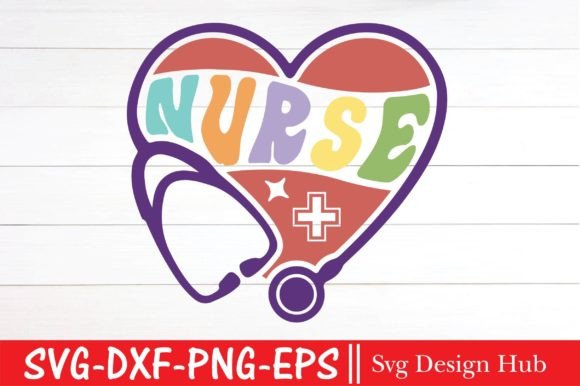
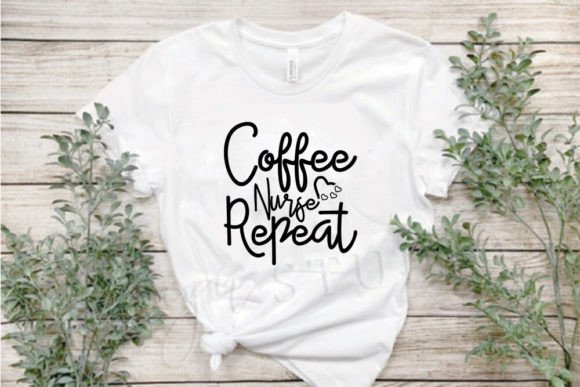
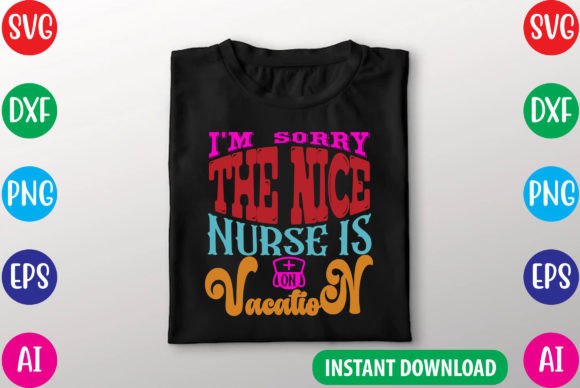
When I opened the Nurse SVG Cutting File, my first thought wasn’t “cute” or “trendy”—it was “this will stitch cleanly.” The design carries a quiet professionalism: balanced proportions, gentle curves in the cap and badge elements, and thoughtful spacing between text and icon. It reads as warm but not saccharine—ideal for a nurse-themed embroidered tote bag I’m prepping for a local clinic’s staff appreciation day. No excessive flourishes, no micro-details that’ll vanish under satin stitch. Just clear, confident graphic language that translates well from screen to fabric.
Where This Design Truly Shines
The Nurse SVG Cutting File isn’t built for maximalist embroidery—it’s built for clarity and consistency across real-world products. I tested it as a machine embroidery design on a midweight cotton sweatshirt, a linen tea towel, and a twill apron—and each time, it held its shape without distortion. On the sweatshirt, the clean lines kept the design legible even with slight fabric stretch. On the tea towel, the open negative space prevented puckering in dense fill areas. And on the apron? It looked intentional—not like an afterthought, but like part of the brand’s quiet, capable identity.
This is especially valuable for Etsy sellers and small shop owners who rely on cohesive, trustworthy handmade product lines. Whether used as a custom apparel motif, an embroidered patch for volunteer uniforms, or a subtle detail on a baby onesie (paired with soft pastel thread), the Nurse SVG Cutting File supports intention—not just decoration. It works equally well for holiday embroidery (think nurse-themed Christmas stockings) and professional gifting (nursing school graduation caps or framed pillow covers).
Where to Pause—and Test First
Like any solid T-Shirt Designs asset, this one rewards thoughtful application—not blind placement. It’s not optimized for ultra-small hoop sizes (under 3 inches) without simplification. Tiny lettering in the badge area, while legible at full scale, can blur on stretchy fabric or thin knits unless stabilized properly. I’d avoid using it directly on curved surfaces like baseball caps without digitizing adjustments—vector files don’t auto-adapt to dome-shaped hoops.
Dark fabric demands attention too. Since the file includes only vector outlines (EPS), you’ll need to digitize for embroidery yourself—or work with a digitizer who understands how fill stitch density affects texture on heavy fleece or textured terry cloth. Dense satin stitch zones (like the badge border) may require tear-away + cutaway stabilizer combo on lightweight fabrics to prevent shadowing. And if you’re planning frequent-wash items—baby embroidery, kitchen towels, or nursing scrubs—test wash one sample before batching. Thread color contrast matters more than you think: a light gray on navy looks elegant in mockups but can mute in real life without careful thread selection.
Design Integrity Meets Customer Trust
What makes the Nurse SVG Cutting File stand out isn’t novelty—it’s reliability. Customers recognize sincerity in execution: crisp corners, consistent line weight, and breathing room around key elements signal care. That perception lifts perceived value, whether you’re pricing a personalized gift or branding a boutique’s limited-run collection. For craft business owners, that trust compounds. When your embroidered patch or tote bag design holds up after three washes—and still reads clearly—it reinforces your reputation as someone who delivers finished product quality, not just digital embroidery file convenience.
I’ve seen too many “nurse-themed” designs veer into cliché (hearts, oversized crosses, cartoonish stethoscopes). This one avoids that. Its visual personality feels grounded—appropriate for oncology nurses, NICU teams, ER staff, or public health educators alike. That versatility is gold for commercial embroidery projects serving diverse clients.
Practical Notes Every Embroidery Designer Should Keep Handy
- Always test on scrap fabric first—especially with textured or blended fabrics. What looks sharp on screen may feather on linen or compress on fleece.
- Check thread color contrast in both natural and artificial light. A soft mint on cream reads beautifully in daylight but can disappear under fluorescent lighting—common in healthcare settings.
- Review stitch density before finalizing. High-density fills may overwhelm delicate fabrics; low-density running stitch alternatives often preserve clarity better on baby embroidery or lightweight tees.
- Confirm hoop size compatibility with your machine and intended product. If scaling down for a cap or infant onesie, verify legibility of fine details before stitching.
- Inspect small corners and joins—vector edges don’t guarantee clean stitch transitions. Digitizing choices matter most here.
- Test black-and-white mockups to assess silhouette strength. If the design loses impact without color, it may need layout tweaks for embroidery.
- Compare performance on light vs. dark backgrounds. Some layouts read strongly on white but flatten on charcoal—adjust fill opacity or add underlay accordingly.
- Use proper stabilizer based on fabric movement, not just weight. Even stable wovens benefit from light tear-away when stitching satin borders.
- Verify licensing terms before selling finished items or reselling the digital embroidery file. This download includes one EPS file—confirm whether commercial use is permitted for your craft business model.
A Final Thought: Design That Serves, Not Just Adorns
The Nurse SVG Cutting File succeeds because it remembers its purpose: to honor, support, and represent. It doesn’t shout. It doesn’t overcomplicate. It gives embroidery designers, Etsy sellers, and small shop owners a strong, adaptable foundation—not just another graphics download. Whether stitched onto a holiday gift for a retiring RN or printed as a printable mockup for a boutique’s new uniform line, it carries weight without heaviness. That balance—between simplicity and significance—is rare. And in real project use? It’s exactly what you hope for.