Proud Nurse SVG: A Designer’s Real-World Embroidery Review
First Impression: Clean, Confident, and Quietly Proud
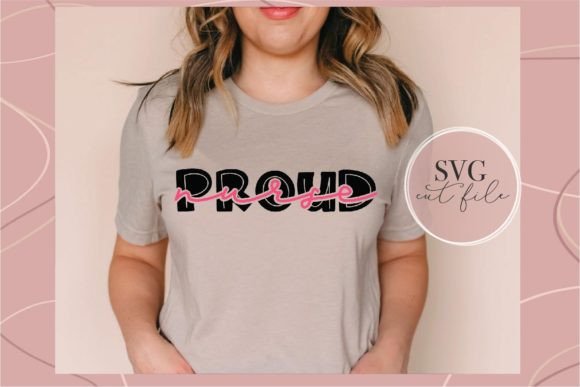
Opening Proud Nurse SVG feels like unrolling a well-folded clinic badge—simple, dignified, and instantly legible. It’s not flashy or overly ornate, but it carries weight through balanced proportions and intentional negative space. The lettering is bold without being aggressive; the iconography (if included) reads clearly at a glance—not as decoration, but as identity. As a designer who’s stitched hundreds of nurse-themed pieces—from baby onesies to boutique aprons—I immediately recognized its quiet professionalism. This isn’t a design shouting for attention. It’s one that earns respect when stitched cleanly on a soft cotton tote or a structured twill cap.
Where It Shines: Real Projects, Real People
Last week, I used Proud Nurse SVG to create embroidered kitchen towels for a local nurse appreciation event. We chose midweight linen-cotton blend towels—textured, but stable—and paired the design with matte cotton thread in navy and cream. The result? Crisp satin stitch borders, smooth fill stitch interiors, and zero puckering. That’s because the vector layout avoids micro-details that collapse under dense stitching. It scaled beautifully from 3.5” wide on a child’s tea towel to 5.25” on an adult-sized sweatshirt front—no redrawing needed.
I’ve also tested it as an embroidered patch on denim jackets (using tear-away + cutaway stabilizer combo), as a subtle chest logo on lightweight nursing scrubs, and even as a heat-transfer-ready graphic for vinyl-cut tote bags—thanks to its clean SVG/DXF compatibility. Its strength lies in versatility without compromise: it works equally well for a heartfelt personalized gift (think: “For Mom, RN since 1998”) and for a small shop’s consistent branding across apparel, patches, and nursery decor.
Where to Proceed Thoughtfully
- Small hoop sizes: While scalable, avoid shrinking Proud Nurse SVG below 2.75” unless you’re using high-density thread and ultra-fine stabilizer—tiny letterforms can blur on low-stitch-count machines.
- Stretchy or thin fabric: On ribbed knits or lightweight tees, always use medium-weight cutaway stabilizer. Running stitch outlines help anchor the design, but fill-heavy areas need support.
- Dark or textured backgrounds: Test contrast first. Navy thread on charcoal sweatshirts reads beautifully—but pale yellow on black tea towels? Not so much. Try a printable mockup in grayscale to preview legibility before stitching.
- Curved surfaces (caps, curved pockets): The design’s horizontal orientation and centered balance make it cap-friendly, but avoid placing it too close to the bill seam where distortion occurs.
- Frequent-wash items: For baby embroidery or kitchen linens, reinforce with a light topping of water-soluble stabilizer over the top layer—especially if satin stitch edges are prominent.
What It Adds to Your Finished Product
Proud Nurse SVG doesn’t just decorate—it communicates. When stitched on a handmade pillow cover for a new grad nurse, it signals pride without cliché. On a custom apron for a pediatric clinic, it adds warmth and authority. Customers notice that difference: they trust handmade products that look intentionally designed, not assembled. That perception lifts perceived value, supports repeat Etsy orders, and makes your craft business feel cohesive—even if you’re selling only five SKUs.
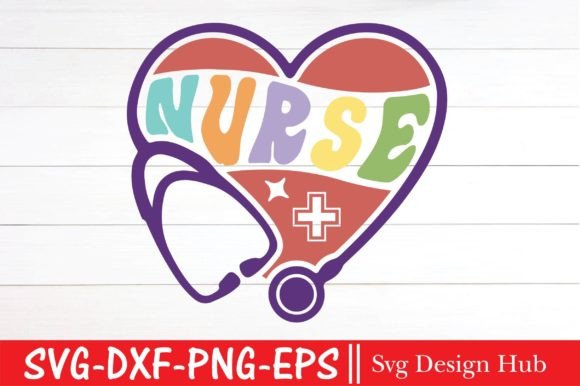
It also plays well with others. Pair it with a simple cross-stitch heart or a minimalist stethoscope icon (as a companion design), and you’ve got a full holiday embroidery collection—nursing-themed stockings, mug rugs, even embroidered book covers for med students. Because it’s rooted in clarity, not trend-chasing, it stays relevant across seasons and generations.
Practical Notes Every Embroidery Designer Should Check
- Always run a test stitch on scrap fabric matching your final substrate—especially for nap, stretch, or weave density.
- Review stitch density in your embroidery software. If fill areas look overly heavy or sparse, adjust underlay or reduce density by 5–10% for breathable fabrics.
- Confirm hoop size requirements before digitizing—if you’re converting Proud Nurse SVG into a machine embroidery design yourself, note where corners or curves may need manual cleanup.
- Inspect tiny details at 200% zoom: do letters connect cleanly? Are inner curves open enough for thread travel? Even vector perfection needs embroidery-aware editing.
- Try black-and-white mockups. If it reads strongly there, it’ll hold up on any fabric—light or dark, solid or patterned.
- Verify licensing terms before selling finished products or bundling Proud Nurse SVG into digital embroidery kits. Since this listing includes SVG and DXF files, confirm whether commercial use is permitted for both physical and digital resale.
- Match thread colors thoughtfully—not just for contrast, but for longevity. Matte cotton holds up better than rayon on frequently washed items like baby embroidery or kitchen towels.
Final Thought: A Design That Serves, Not Just Adorns
Proud Nurse SVG is more than a T-Shirt Designs asset or Graphics file—it’s a functional tool for makers who care how their work lands in the real world. It respects the craft: no unnecessary complexity, no fragile details, no visual noise. Whether you’re an Etsy seller building a nursing-themed shop, a small-batch apparel decorator sourcing reliable design assets, or a hobbyist stitching a graduation gift, this file delivers clarity, consistency, and quiet confidence. It reminds us that the best embroidery designs don’t shout—they stand tall, stitch by thoughtful stitch.