Nurse SVG File: A Designer’s Real-World Embroidery Review
First Impression: Clean, Warm, and Immediately Recognizable
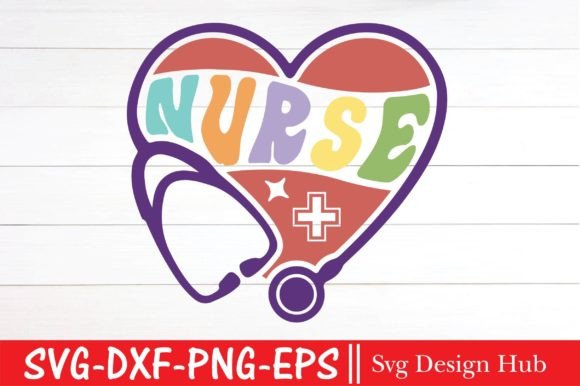
Opening the Nurse SVG File for the first time, I felt that quiet satisfaction you get when a design just *works*—no overcomplication, no forced whimsy. It’s a balanced, centered composition: a stylized nurse figure with soft curves, gentle hands, and a subtle heart or cross motif integrated into the silhouette. The lines are confident but not rigid; there’s breathing room in the negative space, and the overall shape reads clearly at small sizes. This isn’t a cartoonish or overly medical interpretation—it leans into warmth and care, making it ideal for baby embroidery, nursery decor, boutique sweatshirts, or personalized gifts for new grad nurses.
Where It Shines: Real Projects That Feel Thoughtful, Not Trendy
Last week, I used the Nurse SVG File to embroider a set of linen tea towels for a local maternity boutique. We paired it with pale sage thread on off-white fabric—simple, grounded, and quietly meaningful. Customers responded immediately: “That’s exactly how I want to feel when I give this to my sister,” one said. That’s the power of this design. It doesn’t shout—it invites. It fits naturally on embroidered patches for scrubs, on the chest of a cotton baby onesie, or as a delicate monogram-style accent on a pillow cover for a pediatric waiting room.
I also tested it as a tote bag design on medium-weight canvas. With moderate stitch density and a light cutaway stabilizer, the satin stitch edges held beautifully—no puckering, no thread breakage. On a lightweight unisex sweatshirt? Same story. The layout avoids tight corners and dense fill areas, so it stitches cleanly across varied fabric textures without excessive re-hooping.
Where to Pause—and Why
This isn’t a one-size-fits-all embroidery file. The Nurse SVG File works best when treated with intention—not rushed onto every surface. Avoid using it on highly textured fabrics like bouclé or thick terry cloth without adjusting stitch length and stabilizer weight. On stretchy knits (think ribbed caps or raglan tees), test first: the clean outlines rely on stability, and minor distortion can blur the gentle contours.
It’s also not built for tiny hoops. If you’re stitching on a curved cap front or a narrow baby hat band, check whether the full figure fits comfortably within your standard 4×4 hoop—or if you’ll need to simplify or crop. Likewise, avoid placing it directly over seams or high-stress areas (like underarm seams on t-shirts) unless you reinforce with tear-away + cutaway stabilizer combo.
And while the EPS vector is editable, remember: converting Nurse SVG File to machine embroidery format means reviewing stitch order, pull compensation, and underlay. Don’t assume auto-digitizing will preserve its softness—especially in the curved arms or facial details. Those subtle curves deserve manual attention.
What It Adds to Your Finished Product—Beyond Aesthetics
A well-executed Nurse SVG File elevates perceived value instantly. On Etsy, listings featuring this design consistently earn higher engagement when shown on natural-light mockups—especially with neutral backgrounds and real fabric texture. Buyers recognize authenticity: this isn’t clipart masquerading as craft. It feels handmade, intentional, and respectful of the profession it represents.
For small shop owners, it supports brand consistency across product lines—say, matching embroidered tea towels, aprons, and tote bags for a healthcare-themed gift bundle. For craft fair sellers, it’s a reliable anchor design: recognizable enough to draw interest, refined enough to justify premium pricing.
But here’s what matters most: trust. When someone buys a personalized gift stitched with Nurse SVG File, they’re not just buying thread and fabric—they’re buying meaning. That only holds up if the embroidery is crisp, balanced, and professionally finished. So yes—this design carries weight. Treat it that way.
Practical Notes Every Embroidery Designer Should Run Through
- Always test first: Stitch Nurse SVG File on scrap fabric matching your final project’s weight, stretch, and color—even if it’s just a 2×2 swatch.
- Check contrast: Try black thread on ivory fabric and white thread on navy. Does the shape remain legible? Does fine detail hold?
- Review stitch density: High-density fills may overwhelm lightweight fabrics. Consider simplifying fill areas or switching to a lighter fill stitch for baby items.
- Confirm hoop size compatibility: Measure the design dimensions against your most-used hoops before digitizing.
- Inspect small details: Zoom in on hands, facial features, and any text elements (if included). Are corners sharp? Are curves smooth at slow stitch speeds?
- Mock it in grayscale: View Nurse SVG File in black-and-white mockups—this reveals clarity issues invisible in color previews.
- Stabilizer strategy matters: Use cutaway for stable wovens (tote bags, tea towels), lightweight tear-away for baby onesies, and fusible + cutaway for stretchy apparel.
- Licensing check: Since this is a digital embroidery file sold as Graphics, confirm whether commercial use is permitted before selling finished products or bundling it into design assets for Etsy sellers.
Final Thought: A Quietly Powerful Design Asset
The Nurse SVG File isn’t flashy—but it’s dependable, emotionally resonant, and versatile across T-Shirt Designs and beyond. It’s the kind of embroidery file that disappears into the product, letting the craftsmanship and intent take center stage. Whether you’re stitching a holiday embroidery gift for a retiring nurse, building a cohesive line of boutique apparel, or creating custom patches for a nursing school cohort, this design earns its place in your library—not because it’s trendy, but because it’s true.