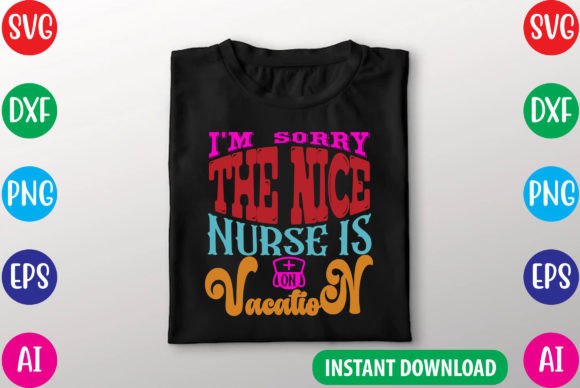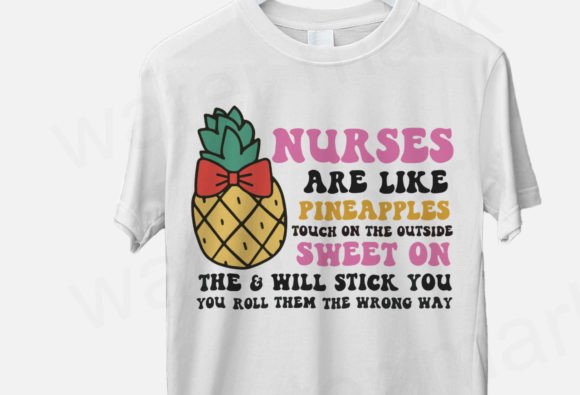
Nurse SVG: Funny, Cute & Embroidery-Ready
First Impressions: A Smile That Stitches Well
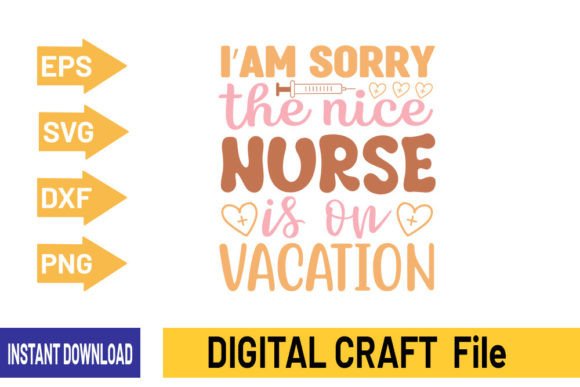
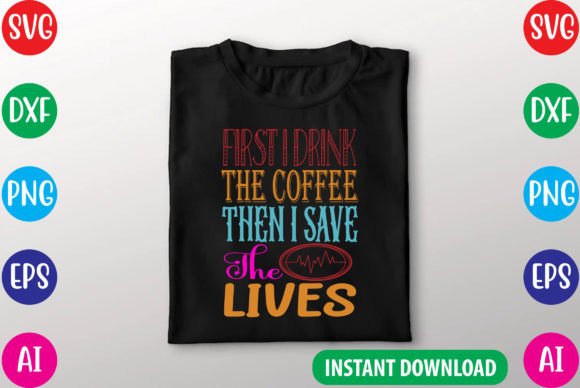
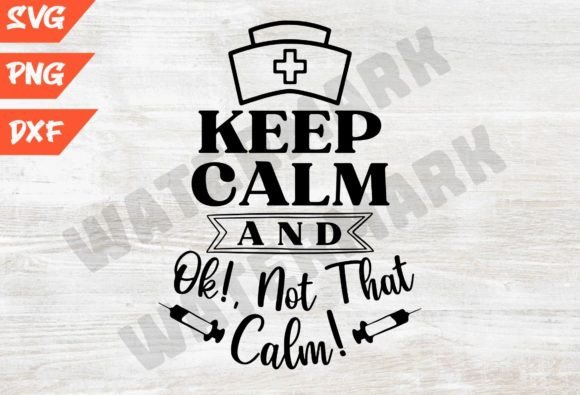
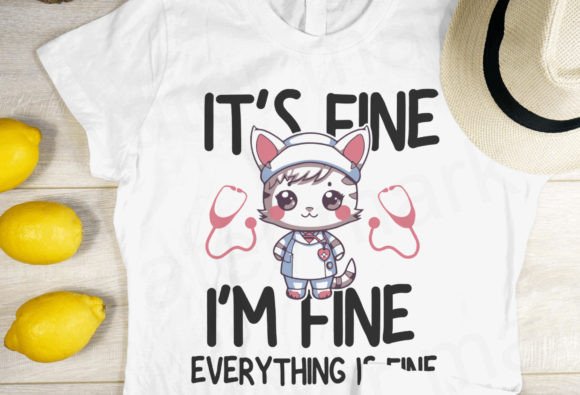
When I opened Nurse Svg, Medical Svg, Funny Cute, I wasn’t looking for perfection—I was looking for personality that holds up under needle and thread. What stood out immediately was its clean, friendly silhouette: rounded lines, expressive eyes, a soft smile, and subtle medical motifs (stethoscope, heart, or cross—depending on the version). It’s not cartoonish, but it’s not clinical either. It lands right where handmade charm meets professional warmth—ideal for a boutique tote bag, a nurse appreciation sweatshirt, or a baby onesie celebrating a new healthcare parent.
Where This Design Truly Shines
Nurse Svg, Medical Svg, Funny Cute works best when stitched with intention—not as filler, but as a focal point. I tested it on a medium-weight cotton twill tote, using a 4" hoop and medium tear-away stabilizer. The result? Crisp edges, balanced negative space, and a design that reads clearly from three feet away. It translated beautifully to a relaxed-fit unisex sweatshirt too—no distortion, no thread nesting, just confident, approachable embroidery.
It’s especially strong for:
- Personalized gifts: Think embroidered pillow covers for nursing grads or tea towels for hospital staff appreciation week.
- Small shop merchandise: A curated line of “Nurse Life” aprons or caps feels cohesive and market-ready with this graphic.
- Etsy listings: As a digital embroidery file, it pairs well with printable mockups—customers instantly grasp how it’ll look on real fabric.
- Baby embroidery: Its gentle proportions and minimal fine detail make it safer for tiny garments than overly intricate medical icons.
Real-World Embroidery Considerations
This isn’t a “drop-in-and-stitch” design that forgives every oversight. As a machine embroidery design, Nurse Svg, Medical Svg, Funny Cute performs reliably—but only when you respect its physical behavior. On textured fabrics like terry cloth or fleece, I recommend adding a light cut-away stabilizer underneath to prevent stitch pull-through. On stretchy knits (think maternity tees or lounge sets), a light fusible + tear-away combo keeps the shape stable without stiffening the garment.
Dark fabric? Yes—but test your thread colors first. A warm cream satin stitch over navy reads friendlier than stark white, which can glare. For caps or curved surfaces, avoid placing it near the bill seam unless you’ve confirmed your hoop clears the curve comfortably. And while the design avoids ultra-thin lines or micro-lettering, any small details (like stethoscope tubing or heart outlines) will soften slightly at under 3" hoop sizes—so if you’re stitching for toddler hats or patches under 2", zoom in and check clarity before committing.
What It Adds—and What It Doesn’t Promise
This Nurse Svg, Medical Svg, Funny Cute elevates handmade product perception. It feels intentional, not generic—like something you’d choose for a client who values both humor and heart. Customers notice that. When used on a custom embroidered patch or holiday gift, it sparks recognition and warmth—not just “oh, a nurse,” but “oh, *that* kind of nurse.” That emotional resonance builds trust, especially for craft businesses selling personalized gifts or boutique apparel.
That said, it doesn’t replace thoughtful execution. It won’t magically fix poor stabilizer choice, mismatched thread tension, or rushed hooping. As a graphics file meant for conversion into an embroidery file, it gives you flexibility—but it doesn’t auto-optimize stitch density or sequence. If you’re planning applique design work, you’ll need to digitize the layers yourself (or hire a digitizer). And while it’s labeled for Cricut Explore and Silhouette Designer Edition, remember: those platforms don’t handle complex fill stitch gradients or dense satin borders the way dedicated embroidery software does.
Practical Designer Notes Before You Stitch
Before using Nurse Svg, Medical Svg, Funny Cute in your next embroidery project, here’s what I do—and recommend you do too:
- Test on scrap fabric first—same weight, same stretch, same color as your final piece.
- Review stitch density in your embroidery software: look for areas where fill stitches might bunch (e.g., rounded cheeks or heart shapes) and adjust if needed.
- Confirm hoop size compatibility—especially if scaling up or down. Some versions include multiple sizes; others are fixed.
- Inspect small details at 200% zoom in your vector editor. Are curves smooth? Are corners sharp enough for clean satin stitch?
- Try black-and-white mockups. Does the design retain character without color cues?
- Check licensing. Since it’s sold as a digital embroidery file, verify whether commercial use (e.g., selling finished embroidered tote bags on Etsy) is permitted—some sellers restrict resale of physical items unless you purchase an extended license.
- Use proper stabilizer for your fabric type—not just “something thin,” but what actually supports the design’s weight and movement.
A Design That Fits Real Life—Not Just the Screen
As a designer who’s shipped hundreds of custom embroidery projects—from nurse appreciation bundles to boutique baby collections—I keep coming back to designs like Nurse Svg, Medical Svg, Funny Cute because they bridge sentiment and stitchability. It’s not flashy. It’s not overloaded with trend-chasing elements. It’s simply well-proportioned, emotionally resonant, and built for repetition across products: a single design becoming part of a larger story—whether that’s a small shop’s brand voice, a heartfelt gift, or a nurse’s quiet moment of recognition.
If you’re choosing embroidery files for T-Shirt Designs or Graphics meant to live on real-world objects—not just thumbnails—it’s worth slowing down to ask: Does this design feel like it belongs *on fabric*, not just in my library? With Nurse Svg, Medical Svg, Funny Cute, the answer is yes—provided you treat it like the thoughtful design asset it is.