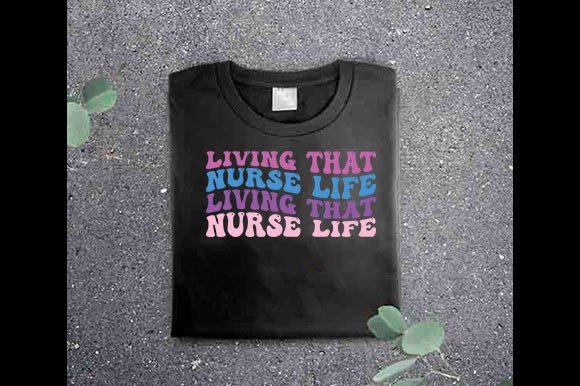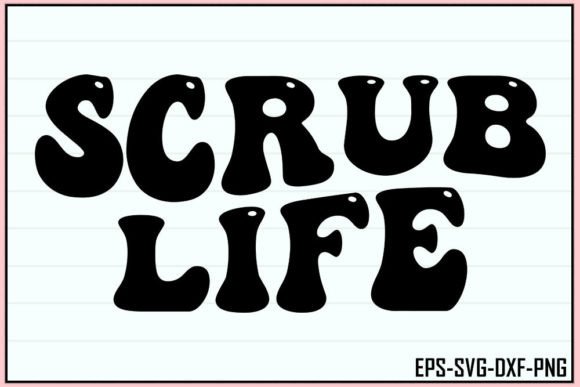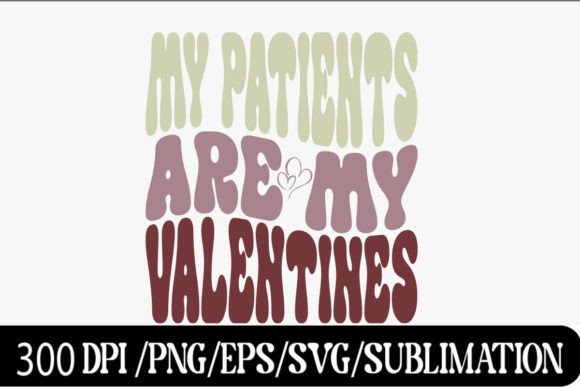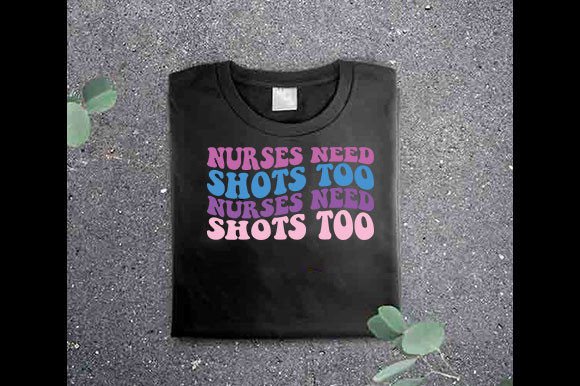
Retro Nurse SVG Design, Living the Scru
First Impressions: A Nod to Nostalgia with Clear Embroidery Intent
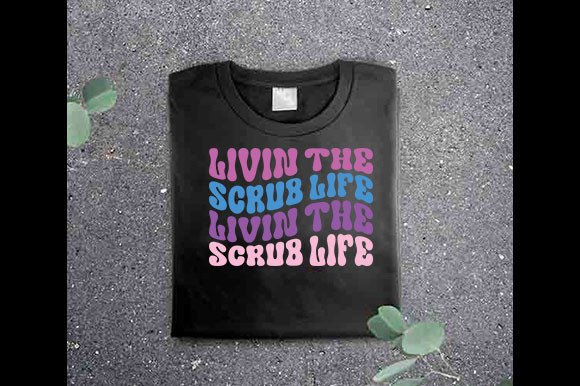
Opening the ZIP for Retro Nurse SVG Design, Living the Scru, I immediately noticed how tightly composed it is—clean lines, balanced negative space, and a confident retro aesthetic that leans into mid-century medical charm without tipping into caricature. The nurse figure wears a crisp cap and stylized uniform; “Living the scrub life” curves neatly beneath her, not cramped, not sprawling. It’s clearly built for legibility at medium scale—not oversized for banners, not micro for cuff embroidery. As a machine embroidery design, it feels purpose-built: no excessive filigree, no overlapping vector paths that might confuse digitizing software, and no tiny disconnected elements that’ll vanish in fill stitch. That tells me this was made by someone who’s stitched before—not just drawn.
A Real-World Test: Embroidering This on a Linen-Cotton Tote Bag
Last week, I used Retro Nurse SVG Design, Living the Scru on a natural linen-cotton blend tote for a local boutique’s nurse appreciation pop-up. We chose a 4-inch hoop and a medium-weight cutaway stabilizer. The result? Crisp satin-stitched outlines, smooth fill-stitched uniform areas, and lettering that held its shape—even where the fabric’s subtle slub texture tried to pull threads off-axis. Customers responded instantly: “That’s *so* my aunt,” or “I’m buying this for my grad school cohort.” That kind of recognition matters. It means the design reads clearly *as embroidery*, not just as a screen graphic. It doesn’t rely on fine gradients or optical illusions—it relies on smart shape hierarchy and intentional spacing. That’s why it works so well as a tote bag design or sweatshirt embroidery: it translates from digital file to stitched texture without losing personality.
Where It Shines—and Where to Pause
Retro Nurse SVG Design, Living the Scru excels on stable, medium-weight fabrics: canvas aprons, cotton tees, twill caps, and baby onesies (with tear-away stabilizer). Its moderate stitch density keeps it breathable on lightweight knits and avoids puckering on woven blends. I’ve also used it successfully as an embroidered patch—hooped with fusible backing, then trimmed and heat-applied to denim jackets. As a holiday embroidery piece, it adds warmth and wit to kitchen towels or nursery decor without feeling seasonal or dated.
But be thoughtful with placement. On stretchy fabric like jersey t-shirts, use a light tear-away + topping combo—especially under the curved text—to prevent letter distortion. Avoid hooping it directly over seams or thick hems unless you’re willing to re-hoop mid-stitch. And while the design holds up beautifully on dark fabric (try navy thread on charcoal), test your thread colors first: some reds or teals in the “scrub life” text may mute on black without a white underlay—check your embroidery file’s layering if you’re digitizing further.
Small Hoop Considerations
This isn’t a 2-inch design. If you’re limited to a 3-inch hoop, consider simplifying: drop the bottom text line or resize proportionally down to 3.5 inches max. Tiny lettering here won’t read in satin stitch—embroidery isn’t screen resolution. Likewise, avoid dense decorative accents around the cap or collar unless you’re prepared to manage higher stitch counts and potential thread breaks.
What This Design Says About Your Brand—Before a Single Stitch
Using Retro Nurse SVG Design, Living the Scru signals intention. It’s not generic clip art. It’s curated, context-aware, and commercially viable for Etsy sellers, craft fair vendors, or small shop owners building a niche around healthcare pride, vintage charm, or handmade professionalism. When customers see this on a personalized gift—a baby blanket for a new pediatric nurse, or a custom apron for a clinic’s front desk staff—they sense care in the selection. That builds trust. It says you understand both the craft *and* the customer’s story.
For digital product sellers, this design functions well as a standalone embroidery file or as part of a themed bundle (“Retro Healthcare Collection”). Its clean vector foundation (EPS, SVG, DXF) makes it easy to adapt for print-on-demand mockups or layered applique variations. Just remember: if you’re reselling finished items or digital files, confirm licensing terms before listing. The ZIP includes standard formats—but commercial rights aren’t implied unless stated.
Practical Designer Notes You’ll Actually Use
- Always test first: Run a sample on scrap fabric matching your final project’s weight and stretch.
- Check contrast: View the PNG in grayscale—does the text still separate cleanly from the figure?
- Review stitch density: Look for any overly dense fill areas that could cause stiffness on baby embroidery or delicate garments.
- Confirm hoop fit: Measure the design’s bounding box in your editing software—don’t assume “medium” means your 4x4.
- Inspect corners and curves: Zoom in on the cap brim and letter terminals—do they taper cleanly, or will they require manual cleanup?
- Mock it both ways: Try black thread on ivory fabric *and* white thread on navy—then compare how “Living the scrub life” reads in each.
- Stabilizer strategy: Cutaway for wovens, tear-away for knits, fusible for patches. Don’t skip it—this design has enough structure to show stabilizer gaps.
- Licensing check: If selling finished products or digital embroidery files, verify whether the license permits commercial use. When in doubt, contact the creator.
Final Thought: A Design That Stitches Like It Means It
Retro Nurse SVG Design, Living the Scru isn’t flashy—but it’s reliable. It respects the limits of thread, fabric, and human attention. It fits naturally into real embroidery projects: custom apparel, boutique merchandise, personalized gifts, and even professional branding for clinics or nursing schools that appreciate humor with heart. As a T-Shirt Designs asset or Graphics resource, it bridges nostalgia and utility without leaning too hard on either. For designers, crafters, and creative entrepreneurs who value clarity over clutter, this is the kind of embroidery file that earns repeat use—not because it’s trendy, but because it simply *works*.